How to Grow on Threads with a Consistent Schedule
How to grow on Threads with formats, cadence, Instagram synergy, and a scheduling system.
Start free
Threads growth is a conversation system
Treat the feed like a dinner table, not a billboard. In 2026, winning teams treat timing, cadence, and creative as a system—not a once-a-year blog tip you never operationalize. Teams that operationalize this inside a shared content calendar outperform teams that collect tips and never schedule.
Posts should be easy to reply to with lived experience. Practically, that means content pillars, platform-native rewrites, optimal posting times, engagement-rate reviews, and UTM-tagged outcomes—then queuing the winners in an AI social media scheduler. Across Instagram, TikTok, LinkedIn, and the rest of your stack, platform-native formatting still matters even when automation helps you ship.
Consistency beats occasional essays nobody answers. SocialSchedule turns the playbook into a live calendar across Instagram, TikTok, X, LinkedIn, Facebook, YouTube, Threads, Pinterest, Bluesky, and Google Business Profile. Start free at https://app.socialschedule.ai/login, or automate with CLI, MCP, API, and Skills under approval guardrails. If you manage clients or executives, route drafts through approvals before anything publishes—AI speed without brand safety is just faster risk.
Apply “Threads growth is a conversation system” with a weekly review loop: what shipped, what earned saves/shares/clicks, and what to schedule next. Keep a human QA pass on hooks, claims, and CTAs—especially when AI drafts the first version. Document the decision so next week’s calendar (and any agent Skills) inherit the learning instead of starting from zero. Revisit the playbook monthly as algorithms, formats, and audience time zones shift; optimal posting times are living inputs, not one-time trivia.
Apply “Threads growth is a conversation system” with a weekly review loop: what shipped, what earned saves/shares/clicks, and what to schedule next. Keep a human QA pass on hooks, claims, and CTAs—especially when AI drafts the first version. Document the decision so next week’s calendar (and any agent Skills) inherit the learning instead of starting from zero. Teams that operationalize this inside a shared content calendar outperform teams that collect tips and never schedule.

Build a weekly Threads cadence
Mix questions, observations, mini-teachings, and selective promotions. In 2026, winning teams treat timing, cadence, and creative as a system—not a once-a-year blog tip you never operationalize. Teams that operationalize this inside a shared content calendar outperform teams that collect tips and never schedule.
Schedule the base layer so gaps do not kill momentum. Practically, that means content pillars, platform-native rewrites, optimal posting times, engagement-rate reviews, and UTM-tagged outcomes—then queuing the winners in an AI social media scheduler. Across Instagram, TikTok, LinkedIn, and the rest of your stack, platform-native formatting still matters even when automation helps you ship.
Leave space for reactive posts when culture shifts. SocialSchedule turns the playbook into a live calendar across Instagram, TikTok, X, LinkedIn, Facebook, YouTube, Threads, Pinterest, Bluesky, and Google Business Profile. Start free at https://app.socialschedule.ai/login, or automate with CLI, MCP, API, and Skills under approval guardrails. If you manage clients or executives, route drafts through approvals before anything publishes—AI speed without brand safety is just faster risk.
Apply “Build a weekly Threads cadence” with a weekly review loop: what shipped, what earned saves/shares/clicks, and what to schedule next. Keep a human QA pass on hooks, claims, and CTAs—especially when AI drafts the first version. Document the decision so next week’s calendar (and any agent Skills) inherit the learning instead of starting from zero. Revisit the playbook monthly as algorithms, formats, and audience time zones shift; optimal posting times are living inputs, not one-time trivia.
Apply “Build a weekly Threads cadence” with a weekly review loop: what shipped, what earned saves/shares/clicks, and what to schedule next. Keep a human QA pass on hooks, claims, and CTAs—especially when AI drafts the first version. Document the decision so next week’s calendar (and any agent Skills) inherit the learning instead of starting from zero. Teams that operationalize this inside a shared content calendar outperform teams that collect tips and never schedule.

Reply-first operating rhythm
Block time after publishing to answer comments and join adjacent threads. In 2026, winning teams treat timing, cadence, and creative as a system—not a once-a-year blog tip you never operationalize. Teams that operationalize this inside a shared content calendar outperform teams that collect tips and never schedule.
Growth often comes from being present in other conversations—not only broadcasting. Practically, that means content pillars, platform-native rewrites, optimal posting times, engagement-rate reviews, and UTM-tagged outcomes—then queuing the winners in an AI social media scheduler. Across Instagram, TikTok, LinkedIn, and the rest of your stack, platform-native formatting still matters even when automation helps you ship.
Automation should never fake replies. SocialSchedule turns the playbook into a live calendar across Instagram, TikTok, X, LinkedIn, Facebook, YouTube, Threads, Pinterest, Bluesky, and Google Business Profile. Start free at https://app.socialschedule.ai/login, or automate with CLI, MCP, API, and Skills under approval guardrails. If you manage clients or executives, route drafts through approvals before anything publishes—AI speed without brand safety is just faster risk.
Apply “Reply-first operating rhythm” with a weekly review loop: what shipped, what earned saves/shares/clicks, and what to schedule next. Keep a human QA pass on hooks, claims, and CTAs—especially when AI drafts the first version. Document the decision so next week’s calendar (and any agent Skills) inherit the learning instead of starting from zero. Revisit the playbook monthly as algorithms, formats, and audience time zones shift; optimal posting times are living inputs, not one-time trivia.
Apply “Reply-first operating rhythm” with a weekly review loop: what shipped, what earned saves/shares/clicks, and what to schedule next. Keep a human QA pass on hooks, claims, and CTAs—especially when AI drafts the first version. Document the decision so next week’s calendar (and any agent Skills) inherit the learning instead of starting from zero. Teams that operationalize this inside a shared content calendar outperform teams that collect tips and never schedule.

Cross-posting from Instagram without looking lazy
Borrow themes, not captions. Rewrite for text-native pacing. In 2026, winning teams treat timing, cadence, and creative as a system—not a once-a-year blog tip you never operationalize. Teams that operationalize this inside a shared content calendar outperform teams that collect tips and never schedule.
Use Instagram for visual proof and Threads for commentary. Practically, that means content pillars, platform-native rewrites, optimal posting times, engagement-rate reviews, and UTM-tagged outcomes—then queuing the winners in an AI social media scheduler. Across Instagram, TikTok, LinkedIn, and the rest of your stack, platform-native formatting still matters even when automation helps you ship.
Stagger when you need reply bandwidth. SocialSchedule turns the playbook into a live calendar across Instagram, TikTok, X, LinkedIn, Facebook, YouTube, Threads, Pinterest, Bluesky, and Google Business Profile. Start free at https://app.socialschedule.ai/login, or automate with CLI, MCP, API, and Skills under approval guardrails. If you manage clients or executives, route drafts through approvals before anything publishes—AI speed without brand safety is just faster risk.
Apply “Cross-posting from Instagram without looking lazy” with a weekly review loop: what shipped, what earned saves/shares/clicks, and what to schedule next. Keep a human QA pass on hooks, claims, and CTAs—especially when AI drafts the first version. Document the decision so next week’s calendar (and any agent Skills) inherit the learning instead of starting from zero. Revisit the playbook monthly as algorithms, formats, and audience time zones shift; optimal posting times are living inputs, not one-time trivia.
Apply “Cross-posting from Instagram without looking lazy” with a weekly review loop: what shipped, what earned saves/shares/clicks, and what to schedule next. Keep a human QA pass on hooks, claims, and CTAs—especially when AI drafts the first version. Document the decision so next week’s calendar (and any agent Skills) inherit the learning instead of starting from zero. Teams that operationalize this inside a shared content calendar outperform teams that collect tips and never schedule.
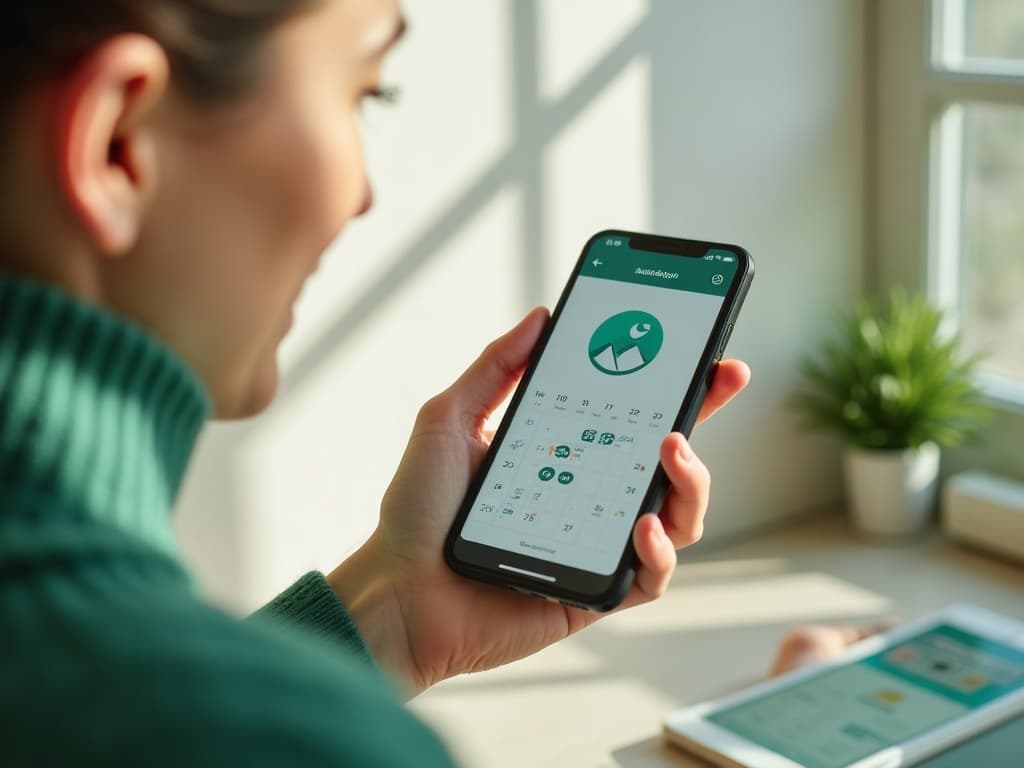
AI ideation for Threads angles
Ask AI for questions and contrarian-but-true takes from your pillars. In 2026, winning teams treat timing, cadence, and creative as a system—not a once-a-year blog tip you never operationalize. Teams that operationalize this inside a shared content calendar outperform teams that collect tips and never schedule.
Delete corporate mush ruthlessly. Practically, that means content pillars, platform-native rewrites, optimal posting times, engagement-rate reviews, and UTM-tagged outcomes—then queuing the winners in an AI social media scheduler. Across Instagram, TikTok, LinkedIn, and the rest of your stack, platform-native formatting still matters even when automation helps you ship.
Queue drafts, then humanize before publish. SocialSchedule turns the playbook into a live calendar across Instagram, TikTok, X, LinkedIn, Facebook, YouTube, Threads, Pinterest, Bluesky, and Google Business Profile. Start free at https://app.socialschedule.ai/login, or automate with CLI, MCP, API, and Skills under approval guardrails. If you manage clients or executives, route drafts through approvals before anything publishes—AI speed without brand safety is just faster risk.
Apply “AI ideation for Threads angles” with a weekly review loop: what shipped, what earned saves/shares/clicks, and what to schedule next. Keep a human QA pass on hooks, claims, and CTAs—especially when AI drafts the first version. Document the decision so next week’s calendar (and any agent Skills) inherit the learning instead of starting from zero. Revisit the playbook monthly as algorithms, formats, and audience time zones shift; optimal posting times are living inputs, not one-time trivia.
Apply “AI ideation for Threads angles” with a weekly review loop: what shipped, what earned saves/shares/clicks, and what to schedule next. Keep a human QA pass on hooks, claims, and CTAs—especially when AI drafts the first version. Document the decision so next week’s calendar (and any agent Skills) inherit the learning instead of starting from zero. Teams that operationalize this inside a shared content calendar outperform teams that collect tips and never schedule.

Metrics that matter on Threads
Watch replies, follows, and profile visits more than hollow likes. In 2026, winning teams treat timing, cadence, and creative as a system—not a once-a-year blog tip you never operationalize. Teams that operationalize this inside a shared content calendar outperform teams that collect tips and never schedule.
Note which prompts earn saves/screenshots in your niche. Practically, that means content pillars, platform-native rewrites, optimal posting times, engagement-rate reviews, and UTM-tagged outcomes—then queuing the winners in an AI social media scheduler. Across Instagram, TikTok, LinkedIn, and the rest of your stack, platform-native formatting still matters even when automation helps you ship.
Feed winners into next week’s calendar. SocialSchedule turns the playbook into a live calendar across Instagram, TikTok, X, LinkedIn, Facebook, YouTube, Threads, Pinterest, Bluesky, and Google Business Profile. Start free at https://app.socialschedule.ai/login, or automate with CLI, MCP, API, and Skills under approval guardrails. If you manage clients or executives, route drafts through approvals before anything publishes—AI speed without brand safety is just faster risk.
Apply “Metrics that matter on Threads” with a weekly review loop: what shipped, what earned saves/shares/clicks, and what to schedule next. Keep a human QA pass on hooks, claims, and CTAs—especially when AI drafts the first version. Document the decision so next week’s calendar (and any agent Skills) inherit the learning instead of starting from zero. Revisit the playbook monthly as algorithms, formats, and audience time zones shift; optimal posting times are living inputs, not one-time trivia.
Apply “Metrics that matter on Threads” with a weekly review loop: what shipped, what earned saves/shares/clicks, and what to schedule next. Keep a human QA pass on hooks, claims, and CTAs—especially when AI drafts the first version. Document the decision so next week’s calendar (and any agent Skills) inherit the learning instead of starting from zero. Teams that operationalize this inside a shared content calendar outperform teams that collect tips and never schedule.

Schedule Threads beside the rest of your stack
Put Threads on the same SocialSchedule calendar as Instagram and X. In 2026, winning teams treat timing, cadence, and creative as a system—not a once-a-year blog tip you never operationalize. Teams that operationalize this inside a shared content calendar outperform teams that collect tips and never schedule.
Use approvals for brand accounts; keep personal voice freer. Practically, that means content pillars, platform-native rewrites, optimal posting times, engagement-rate reviews, and UTM-tagged outcomes—then queuing the winners in an AI social media scheduler. Across Instagram, TikTok, LinkedIn, and the rest of your stack, platform-native formatting still matters even when automation helps you ship.
Start free and run a two-week conversational cadence experiment. SocialSchedule turns the playbook into a live calendar across Instagram, TikTok, X, LinkedIn, Facebook, YouTube, Threads, Pinterest, Bluesky, and Google Business Profile. Start free at https://app.socialschedule.ai/login, or automate with CLI, MCP, API, and Skills under approval guardrails. If you manage clients or executives, route drafts through approvals before anything publishes—AI speed without brand safety is just faster risk.
Apply “Schedule Threads beside the rest of your stack” with a weekly review loop: what shipped, what earned saves/shares/clicks, and what to schedule next. Keep a human QA pass on hooks, claims, and CTAs—especially when AI drafts the first version. Document the decision so next week’s calendar (and any agent Skills) inherit the learning instead of starting from zero. Revisit the playbook monthly as algorithms, formats, and audience time zones shift; optimal posting times are living inputs, not one-time trivia.
Apply “Schedule Threads beside the rest of your stack” with a weekly review loop: what shipped, what earned saves/shares/clicks, and what to schedule next. Keep a human QA pass on hooks, claims, and CTAs—especially when AI drafts the first version. Document the decision so next week’s calendar (and any agent Skills) inherit the learning instead of starting from zero. Teams that operationalize this inside a shared content calendar outperform teams that collect tips and never schedule.

Frequently asked questions
How do you grow on Threads?+
Post consistently, write for replies, engage early, and treat Threads as conversational—not as a dump of Instagram captions.
How often should I post on Threads?+
A sustainable daily or near-daily text cadence works for some; others win with fewer high-conversation posts. Choose what you can engage with.
Can I schedule Threads posts?+
Yes. Scheduling keeps cadence steady; still block time to reply.
Should I cross-post from Instagram?+
Rewrite for conversation. Identical captions usually underperform.
What content works on Threads?+
Opinions, questions, mini-threads, and timely commentary with a human voice.
Do hashtags matter on Threads?+
Less than clear conversation hooks. Do not spam tags.
How important are replies?+
Critical. Early reply velocity is part of distribution and relationship building.
Can AI help Threads growth?+
AI can draft angles and questions; you should personalize and actually join the replies.
Is Threads worth it for businesses?+
If your audience is active there, yes—especially for personality-led brands and creators extending Instagram themes.
How do I start this week?+
Plan 5–7 reply-friendly posts, schedule them, and protect 15 minutes after each for engagement.